
Rope Access vs Scaffolding: Rope Access Cost Comparison
- Kumar Ramasamy

- Mar 9
- 3 min read
When it comes to working at heights, choosing the right method for access is crucial. Two popular options are rope access and scaffolding. Both have their advantages and disadvantages, but one of the most important factors to consider is cost. This article will explore the differences between rope access and scaffolding, focusing on the cost comparison to help you make an informed decision.
Rope Access Cost Comparison
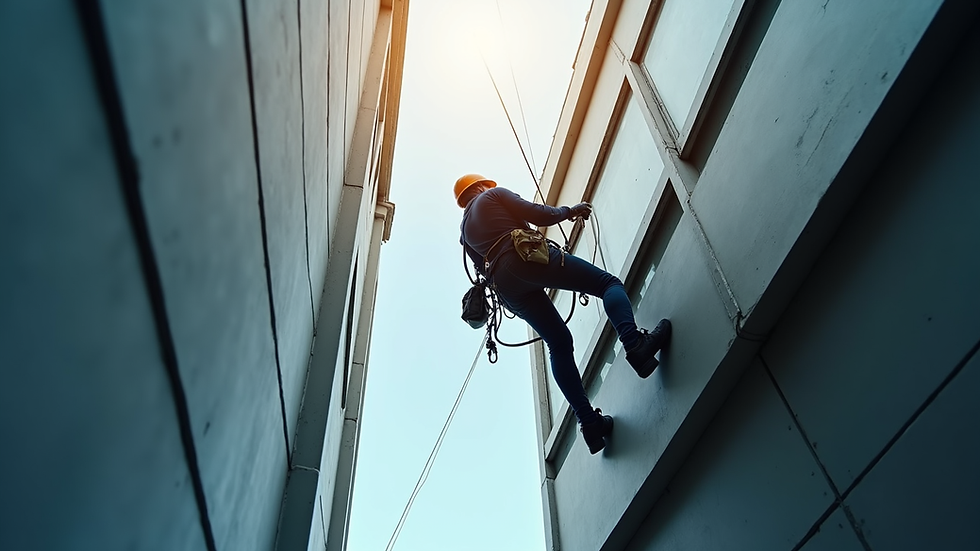
Rope access is a technique where trained technicians use ropes and specialized equipment to reach difficult or high locations. It is widely used in industries such as construction, maintenance, and inspection. One of the main benefits of rope access is its flexibility and speed, which often translates into cost savings.
Key factors influencing rope access costs include:
Project complexity: More complex jobs requiring multiple technicians or specialized equipment will increase costs.
Duration: Shorter projects tend to be more cost-effective with rope access due to faster setup and takedown.
Location: Accessibility and height can affect the price, especially if additional safety measures are needed.
Certification and expertise: Highly trained and certified rope access technicians may charge higher rates, but this ensures safety and quality.
For example, a routine inspection on a 30-meter high building facade might cost significantly less with rope access than scaffolding because the setup time is minimal and fewer materials are required.
What is the average cost of scaffolding?
Scaffolding is a traditional method involving the erection of a temporary structure to provide access to elevated work areas. It is commonly used for construction, painting, and repairs. While scaffolding is reliable and provides a stable platform, it can be more expensive and time-consuming compared to rope access.
Average scaffolding costs depend on several factors:
Size and height of the structure: Larger and taller scaffolds require more materials and labor.
Duration of use: Longer rental periods increase overall costs.
Type of scaffolding: Different systems (e.g., frame, tube and clamp, suspended) have varying price points.
Labor and installation: Skilled labor is needed to erect and dismantle scaffolding safely.
On average, scaffolding costs can range from MYR 15 to MYR 50 per square meter per week, depending on the complexity and location. For a medium-sized project, this can add up quickly, especially if the scaffold needs to remain in place for several weeks.

Advantages and Disadvantages of Rope Access and Scaffolding
Understanding the pros and cons of each method can help you decide which is more cost-effective for your project.
Rope Access Advantages
Lower setup and dismantling time: Saves labor costs.
Minimal equipment required: Reduces material expenses.
Access to hard-to-reach areas: Ideal for complex or irregular structures.
Less disruption: No large structures blocking access or traffic.
Rope Access Disadvantages
Limited load capacity: Not suitable for heavy materials or equipment.
Weather dependency: High winds or rain can delay work.
Safety concerns: Requires highly trained personnel and strict safety protocols.
Scaffolding Advantages
Stable working platform: Supports heavy loads and multiple workers.
Versatile: Suitable for a wide range of tasks.
Weather protection: Can be fitted with covers or nets.
Scaffolding Disadvantages
Higher material and labor costs: Erection and dismantling are time-consuming.
Space requirements: Needs significant ground space for setup.
Longer project timelines: Setup can delay project start.
Practical Recommendations for Choosing Between Rope Access and Scaffolding
When deciding between rope access and scaffolding, consider the following:
Project scope and duration: For short-term or inspection jobs, rope access is often more cost-effective.
Load requirements: If heavy equipment or materials need to be moved, scaffolding may be necessary.
Site conditions: Limited space or difficult terrain favors rope access.
Safety and regulations: Ensure compliance with local safety standards and certifications.
Budget constraints: Evaluate the total cost including labor, materials, and potential downtime.
For example, a maintenance team needing to clean windows on a 20-story building might save up to 40% by using rope access instead of scaffolding, due to faster mobilization and less material use.
Final Thoughts on Cost Efficiency and Project Suitability
Choosing the right access method can significantly impact your project budget and timeline. While scaffolding remains a reliable choice for many applications, rope access offers a flexible and often more affordable alternative for specific tasks. By carefully assessing your project needs and comparing the costs, you can optimize both safety and expenditure.
For a detailed breakdown and further insights, explore the rope access vs scaffolding cost comparison to find the best fit for your project.
This comprehensive overview should help you understand the financial implications of rope access and scaffolding, enabling smarter decisions for your next project.


Comments